
Greyhound Forecast Non-Runner Rules: What Happens to Your Bet
 Available in US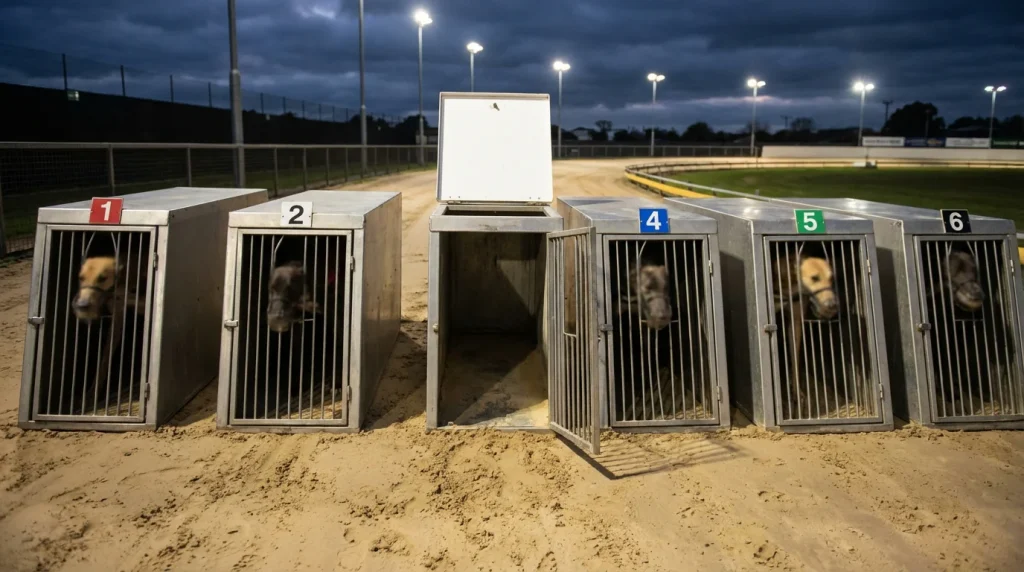
When the Race Card Changes
You have studied the form, identified your two dogs, placed your forecast — and then one of them is withdrawn. It happens regularly in greyhound racing. Injury, illness, a bitch coming into season, a late vet inspection that flags an issue. The dog you backed is suddenly not running, and the question becomes: what happens to your money?
The answer depends on three things: when the withdrawal happened, which settlement method you are using (tote or bookmaker), and whether a reserve runner replaces the withdrawn dog. Non-runner rules in greyhound forecast betting are more straightforward than in horse racing, but they still catch punters off guard when they have not read the small print. This article lays out the rules clearly so you know exactly where you stand before the traps open.
Tattersalls Rules and Forecast Bets
UK greyhound betting is governed by GBGB Rules of Racing, which provide the framework for how bets are settled when the field changes. For forecast bets, the rules are relatively simple in principle but can produce different outcomes depending on the specifics.
If one of your two forecast selections is withdrawn and no reserve replaces it, the forecast bet is void. Your stake is returned in full. This applies to both straight and reverse forecasts. If you have placed a combination forecast with three or more dogs and one of them is withdrawn, the bet is restructured: the withdrawn dog is removed, and the remaining combinations stand. A three-dog combination forecast becomes a reverse forecast on the two remaining dogs. A four-dog combination becomes a three-dog combination. The stake is recalculated accordingly, and any surplus is returned.
If both of your forecast selections are withdrawn — unlikely but not impossible — the entire bet is void and your full stake comes back. The same applies to tricasts: remove any of the three named dogs with no replacement, and the remaining permutations are settled (if they can be) or voided (if they cannot form a valid tricast).
The timing of the withdrawal matters primarily for one reason: reserve runners. Under GBGB rules, if a dog is withdrawn before the declaration stage and a suitable reserve is available, the reserve takes the vacant trap. If the withdrawal happens after declarations but before the race, a reserve may still be substituted. If the withdrawal is at the traps — a dog that refuses to enter, or one pulled by the veterinary steward at the last moment — there is no replacement, and the race runs with fewer than six dogs.
Crucially, if a reserve replaces your withdrawn dog in the same trap, your bet does not transfer to the reserve. Your forecast named a specific dog, and that dog is no longer running. The bet on the withdrawn selection is void regardless of what happens to the trap number. Some punters confuse “backing a trap” with “backing a dog” — in forecast betting, you are always backing specific dogs, not numbers.
Reserve Runners and Your Bet
When a reserve enters the field, it replaces the withdrawn dog in the trap and wears the same colour jacket. The reserve is identifiable on the race card by the letter R. For forecast betting purposes, the introduction of a reserve changes the race dynamics but does not change your bet slip.
If the reserve was not one of your forecast selections, your bet stands unchanged — you simply have a different opponent in the field. The reserve may be stronger or weaker than the dog it replaced, which can work in your favour or against it. A weak reserve in a trap that was occupied by a contender effectively removes competition for the frame positions. A strong reserve can disrupt the race shape you anticipated.
If you placed your forecast after the reserve was announced, you know exactly what you are betting on. If you placed it before the substitution, you need to reassess whether your analysis still holds. This is one reason some forecast punters wait until close to the off before committing their stake — late withdrawals and reserve substitutions can materially change the race.
One tactical consideration: reserves that enter at the last minute are often underlaid by the market. They have not been priced into the morning forecast pools, and the public has had limited time to assess their form. A well-informed punter who spots a capable reserve entering a weak field has a genuine edge — particularly on the tote, where the pool may not reflect the reserve’s true chances.
How Bookmakers Handle Non-Runners
Bookmaker policies on non-runners in greyhound forecasts are broadly consistent with Tattersalls Rules, but there are nuances. Most bookmakers void the affected portion of the forecast when one selection is withdrawn and no replacement runs in its place. The remaining valid portions — if any exist in a combination bet — are settled normally.
Where bookmakers differ is in how they handle early-price forecast bets. If you took a fixed-price forecast before the withdrawal, the bet is typically voided in full because the market you priced up no longer exists. If you bet at CSF (starting price), the same void rules apply but the mechanism is different — you never had a fixed return, so there is nothing to adjust; the bet is simply removed.
Some bookmakers have specific terms around “named favourite” forecast bets or trap-number-based selections for virtual greyhound racing. These do not follow Tattersalls Rules and instead operate under the bookmaker’s own terms of business. Always check the specific terms for any non-standard forecast product, particularly virtual racing forecasts, where the rules can differ significantly from live racing.
If you believe a bookmaker has settled a voided forecast incorrectly, Tattersalls Rules provide the basis for a dispute. The Independent Betting Adjudication Service (IBAS) handles unresolved disputes between punters and licensed bookmakers. In practice, non-runner voids on straightforward forecast bets are rarely contentious — the rules are clear and bookmakers apply them consistently.
Tote Handling of Withdrawals
The tote applies its own version of the withdrawal rules. When a dog is withdrawn from a race and the tote forecast pool is active, bets involving the withdrawn dog are voided and stakes returned. The remaining pool is recalculated based on the revised field.
The practical effect is that a late withdrawal can alter the forecast dividend for the remaining combinations. Removing a popular dog from the pool reduces the number of winning tickets in certain combinations and increases them in others. If the withdrawn dog was a short-priced favourite, its removal often boosts the dividend for whichever combination wins — because the pool money that was sitting on combinations involving the favourite now has nowhere to go, and the pot available for the remaining combinations grows.
This creates an occasional opportunity. When a heavily backed dog is withdrawn shortly before the off, the tote forecast pool temporarily misprices the remaining combinations. Alert punters who can react quickly — particularly those betting on-track or through tote apps with fast execution — can capture enhanced dividends from the disrupted pool. It is a narrow window, and it does not happen often, but it is one of the few genuine informational edges available in tote forecast betting.
Protecting Your Bet
The simplest protection against non-runner disruption is timing. Placing your forecast close to the off — within the last five to ten minutes before the race — reduces the window in which a withdrawal can blindside you. By that point, the field is confirmed, reserves (if any) are declared, and the veterinary inspections are complete. You know exactly which six dogs are running.
The trade-off is that late betting means you accept the final market prices and pool composition without the chance to lock in early value. For CSF bets, this is largely irrelevant — the CSF is calculated after the race regardless. For tote bets, the pool composition at the time you bet is the pool you are committed to, so late entry means you see the pool as it stands rather than contributing to shaping it.
Non-runners are an inherent part of greyhound racing, not an exception. Build them into your planning rather than treating them as disruptions. If you regularly bet combination forecasts, accept that one in every ten or fifteen bets will be affected by a withdrawal. Your bankroll and staking plan should account for the occasional voided stake and restructured combination. The punter who treats non-runners as a routine administrative event is better prepared than the one who treats them as a personal affront.
Find more betting rules at greyhoundforecast.
Also read our dead heat rules for greyhound forecast bets.
